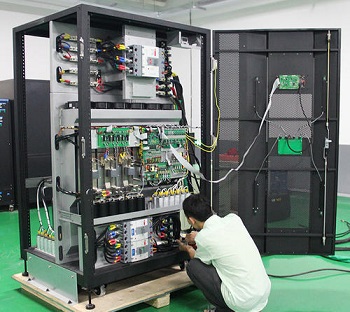
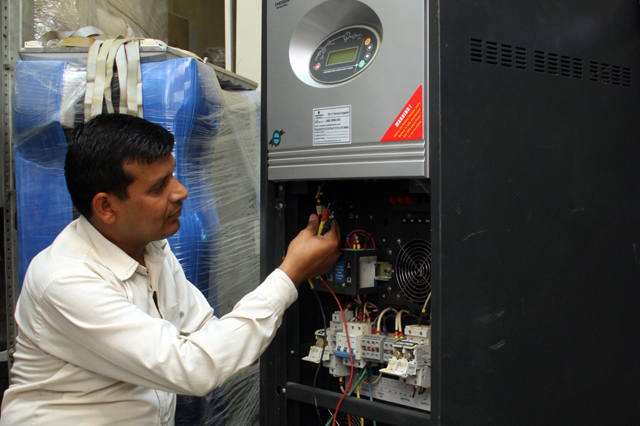
Online UPS Maintenance Services for Continuous Power Reliability
An uninterrupted power supply system is a critical part of modern business operations. Whether it is a data center, manufacturing facility, healthcare institution, educational campus, banking environment, telecom network, or commercial office, UPS systems protect sensitive equipment from power disturbances and unexpected outages. Regular Online UPS maintenance helps ensure that the system performs efficiently when backup power is needed most.
At Power Solution Services, we provide structured maintenance programs designed to improve UPS reliability, reduce downtime risks, and extend equipment life. Our service approach focuses on preventive inspections, performance testing, battery health assessment, and timely corrective actions.
What is Online UPS Maintenance?
Online UPS maintenance is the process of inspecting, testing, cleaning, monitoring, and servicing an online UPS system to ensure reliable power protection and uninterrupted operation. It includes battery testing, load verification, component inspection, calibration checks, and preventive servicing performed under an Annual Maintenance Contract or scheduled maintenance program.
Regular maintenance helps identify potential issues before they become major failures, reducing unexpected downtime and costly emergency repairs.
Why an Annual Maintenance Contract Matters?
Many UPS failures occur not because of manufacturing defects but due to neglected maintenance. Dust accumulation, battery deterioration, loose electrical connections, overloaded systems, and environmental factors can gradually affect UPS performance.
An Annual Maintenance Contract provides a systematic approach to maintaining power backup infrastructure throughout the year. Instead of waiting for equipment failure, preventive maintenance schedules help identify developing issues at an early stage.
Key advantages include:
- Scheduled preventive maintenance visits
- Reduced risk of unexpected system shutdowns
- Better battery performance and lifespan
- Faster technical response when issues occur
- Improved system efficiency
- Reduced repair costs over time
- Documentation and maintenance records
Components Covered Under UPS Service Support
Effective UPS service support involves more than simply checking whether the system is operational. A comprehensive maintenance program evaluates multiple components that influence system reliability.
UPS Rectifier Inspection
The rectifier converts incoming AC power into DC power. Engineers inspect voltage stability, operating parameters, and component performance to ensure proper functionality.
Inverter Performance Testing
The inverter supplies clean output power to connected equipment. Regular testing verifies output quality, waveform stability, and load handling capability.
Battery Health Assessment
Battery systems are often the most vulnerable part of a UPS installation. Battery testing may include:
- Voltage measurements
- Internal resistance checks
- Backup runtime verification
- Terminal inspection
- Battery bank balancing
Cooling System Inspection
Excessive heat is a common reason for UPS component failure. Maintenance activities include checking:
- Cooling fans
- Airflow paths
- Ventilation systems
- Internal temperature conditions
Electrical Connection Verification
Loose electrical connections can create overheating and operational instability. Maintenance teams inspect and tighten critical connections during scheduled visits.
Online UPS Maintenance Process
A structured maintenance process helps maintain consistent system performance.
Step 1: Visual Inspection
Engineers inspect:
- UPS cabinet condition
- Environmental conditions
- Dust accumulation
- Cable management
- Physical damage
Step 2: Parameter Monitoring
Operational parameters are reviewed, including:
- Input voltage
- Output voltage
- Frequency
- Load percentage
- Battery status
Step 3: Preventive Cleaning
Dust and contaminants can impact cooling efficiency and electrical performance. Internal cleaning helps reduce these risks.
Step 4: Functional Testing
Technicians perform operational checks to verify system functionality under normal operating conditions.
Step 5: Battery Evaluation
Battery performance is reviewed to identify aging cells or declining backup capacity.
Step 6: Reporting and Recommendations
Detailed service reports help facility managers understand equipment condition and future maintenance requirements.
Emerson UPS AMC & Repair Services
Online UPS Dealers
Industries That Require Regular UPS Service Support
Reliable power protection is essential across multiple industries.
Data Centers
Server infrastructure requires continuous power availability and minimal downtime.
Hospitals and Healthcare Facilities
Critical medical equipment depends on uninterrupted power during emergencies.
Manufacturing Plants
Production systems, automation equipment, and process controls require stable power protection.
Financial Institutions
Banking operations, ATMs, and transaction systems depend on reliable UPS infrastructure.
Educational Institutions
Universities and schools use UPS systems to support IT infrastructure and communication networks.
Telecom Facilities
Communication networks require continuous uptime to maintain service availability.
Commercial UPS AMC Services
Offices, retail spaces, IT parks, and co-working facilities depend on stable power for networking equipment, workstations, and building systems. Our Commercial UPS AMC plans are built around lighter, more predictable load patterns typical of commercial environments, with scheduled visits, battery monitoring, and rapid-response support to minimize disruption to daily operations.
Industrial UPS AMC Services
Industrial facilities run heavier, more variable loads, with equipment such as PLCs, motors, and automated production lines that are sensitive to power fluctuations. Our Industrial UPS AMC covers higher-capacity systems, includes more frequent load testing, and factors in the dust, vibration, and temperature conditions common on factory floors.
Industrial Online UPS AMC
For industrial sites running online (double-conversion) UPS systems, continuous clean power is non-negotiable — even brief transfer delays can disrupt automated processes. Our Industrial Online UPS AMC combines the always-on protection of online UPS technology with an industrial-grade maintenance schedule, covering rectifier and inverter testing, battery bank assessment, and cooling system checks suited to industrial operating conditions.
Common Challenges in UPS Maintenance
Even high-quality UPS systems can face operational challenges.
| Challenge |
Potential Impact |
| Battery aging |
Reduced backup time |
| Excessive heat |
Component deterioration |
| Overloading |
System stress and failure risk |
| Poor ventilation |
Reduced efficiency |
| Irregular servicing |
Unexpected breakdowns |
| Dust accumulation |
Cooling and performance issues |
Understanding these risks allows maintenance teams to implement corrective measures before major failures occur.
Best Practices for Long-Term UPS Performance
Organizations can improve UPS reliability by following several maintenance best practices.
Schedule Preventive Maintenance
Routine inspections help detect minor issues before they affect operations.
Monitor Battery Health Regularly
Battery condition directly affects backup performance and should be reviewed periodically.
Maintain Proper Environmental Conditions
UPS rooms should have adequate ventilation and temperature control.
Avoid Overloading
System loads should remain within designed operating limits.
Maintain Service Documentation
Maintenance records provide valuable insights into equipment history and performance trends.
Modern vs Traditional Maintenance Approaches
| Factor |
Traditional Reactive Maintenance |
Modern Preventive Maintenance |
| Service Timing |
After failure occurs |
Before failure occurs |
| Downtime Risk |
Higher |
Lower |
| Repair Costs |
Often higher |
More predictable |
| Equipment Life |
Shorter |
Longer |
| Operational Reliability |
Variable |
More consistent |
Organizations increasingly prefer preventive maintenance programs because they help reduce operational disruptions and support business continuity.
Cost Factors in an Annual Maintenance Contract
Several factors influence the scope and cost of an Annual Maintenance Contract.
These may include:
- UPS capacity
- Number of installed systems
- Battery bank size
- Site location
- Service frequency
- Spare part requirements
- Response time commitments
The right maintenance plan should balance operational requirements, budget considerations, and equipment criticality.
Safety Considerations During UPS Maintenance
UPS systems involve electrical energy storage and high-current components. Maintenance activities should be performed by trained personnel following established safety procedures.
Important considerations include:
- Electrical isolation procedures
- Personal protective equipment
- Battery handling protocols
- Proper testing equipment
- Manufacturer-recommended service practices
Safety-focused maintenance helps protect both personnel and equipment.
Future of Online UPS Maintenance
The UPS industry is moving toward smarter maintenance practices supported by digital monitoring technologies. Modern systems increasingly provide:
- Remote diagnostics
- Predictive maintenance alerts
- Battery performance analytics
- Real-time system monitoring
- Automated fault reporting
These advancements allow maintenance teams to identify potential failures earlier and improve overall system reliability.
Key Takeaways
- Online UPS maintenance improves system reliability and operational continuity.
- A structured Annual Maintenance Contract helps reduce unexpected downtime.
- Battery monitoring is a critical part of preventive maintenance.
- Regular inspections help identify developing faults before failures occur.
- Proper cooling and environmental control improve equipment lifespan.
- Preventive maintenance generally costs less than emergency repairs.
- Detailed maintenance records support long-term asset management.
- Modern monitoring technologies are improving maintenance efficiency.
- Professional UPS service support helps maintain business continuity.
- Scheduled servicing contributes to safer and more reliable UPS operation.
Frequently Asked Questions
Online UPS maintenance involves routine inspection, testing, cleaning, and servicing of UPS equipment to ensure reliable power protection.
An Annual Maintenance Contract provides scheduled maintenance and technical support that helps prevent unexpected failures.
The frequency depends on system criticality, operating environment, and manufacturer recommendations. Many facilities schedule quarterly or half-yearly inspections.
UPS service support may include preventive maintenance, troubleshooting, battery testing, emergency assistance, and technical inspections.
Regular maintenance helps identify wear and performance issues early, which can contribute to longer equipment life.
Battery failure may occur due to aging, high temperatures, improper charging conditions, or lack of regular testing.
Data centers, hospitals, telecom facilities, manufacturing plants, banks, and commercial buildings commonly require regular maintenance programs.
Neglected maintenance can increase the risk of battery failure, reduced backup time, overheating, and unexpected system shutdowns.
Technicians typically perform voltage checks, resistance measurements, visual inspections, and runtime assessments.
Businesses should evaluate technical expertise, response capabilities, service scope, preventive maintenance schedules, and support availability.
Many inspections can be performed without disrupting operations, although certain tests may require planned maintenance windows.
Yes. Early detection of issues often prevents major failures and costly emergency repairs.